Moot Court Resume 2026

Moot Court Resume

St. Thomas University College of Law

Moot Court Honor Society

16401 N.W. 37th Ave. | Miami Gardens, Florida 33054

Tel: 305.628.6536

Email: mootcourt@stu.edu

Moot Court Competitions / Honors/ Awards

Notable Honors/Awards

  • Semi-Finalist – 2026 – Jerome Prince Memorial Evidence Competition
  • Best Petitioner’s Brief Award – 2026 – John J. Gibbons Moot Court Competition
  • Finalist – 2026 – John J. Gibbons Moot Court Competition
  • Semi-Finalist – 2026 – Uvaldo Herrera National Moot Court Competition
  • Best Brief Award – 2026 – Uvaldo Herrera National Moot Court Competition
  • Best Brief Award – 2025 – Chicago Bar Association Moot Court Competition
  • Semi-Finalist – 2025 – Chicago Bar Association Moot Court Competition
  • Octo-Finalist – 2025 – San Diego National Criminal Procedure Competition
  • Best Brief Award – 2024 – Chicago Bar Association Moot Court Competition
  • Quarter-Finalist – 2024 – Chicago Bar Association Moot Court Competition
  • Octo-Finalist – 2024 – San Diego National Criminal Procedure Competition
  • National Finalist – 2024 – Uvaldo Herrera National Moot Court Competition
  • Top Brief Award – 2024 – Uvaldo Herrera National Moot Court Competition
  • Octo-Finalist – 2023 – Chicago Bar Association Moot Court Competition
  • Octo-Finalist – 2023 – San Diego National Criminal Procedure Competition
  • Quarter-Finalist – 2023 Jerome Prince Memorial Evidence Competition
  • Semi-Finalist – 2022 Robert Orseck Memorial Moot Court Competition
  • Octo-Finalist – 2021 Emory Civil Rights Moot Court Competition
  • Top Brief Award – 2021 Emory Civil Rights Moot Court Competition
  • First Runner Up Brief Award – 2019 National Tax Moot Court Competition
  • Best Brief Award – 2016 John J. Gibbons Moot Court Competition
  • Octo-Finalist – 2016 John J. Gibbons Moot Court Competition
  • Best Brief Award – 2011 San Diego National Criminal Procedure Competition
  • Octo-Finalist – 2011 San Diego National Criminal Procedure Competition
  • Semi-Finalist – 2009 John J. Gibbons Moot Court Competition (3/38 teams)
  • Quarter-Finalist – 2009 Thurgood Marshall Memorial Moot Court Competition
  • Second Best Overall Oralist – 2009 Thurgood Marshall Moot Court Competition
  • Octo-Finalist – 2008 Gabrielli National Family Law Moot Court Competition
  • Champion / Finalist – 2008 Robert Orseck Memorial Moot Court Competition

Academic Year 2025 – 2026

            2026 Uvaldo Herrera National Moot Court Competition

            2026 John J. Gibbons Moot Court Competition

            2026 Jerome Prince Memorial Evidence Competition

            2025 National Criminal Procedure Tournament

            2025 Wechsler National First Amendment Moot Court Competition

            2025 Chicago Bar Association Moot Court Competition

Academic Year 2024 – 2025

2025 National Tax Moot Court Competition

2025 Uvaldo Herrera National Moot Court Competition

2025 Tulane University Law School Moot Court Invitational

2024 Chicago Bar Association Moot Court Competition

2024 San Diego National Criminal Procedure Competition

2024 Emory Civil Rights & Liberties Moot Court Competition

Academic Year 2023 – 2024

2024 Robert Orseck Memorial Moot Court Competition

2024 Uvaldo Herrera National Moot Court Competition

2024 John J. Gibbons Moot Court Competition

2024 Jerome Prince Memorial Evidence Competition

2023 Chicago Bar Association Moot Court Competition

2023 San Diego National Criminal Procedure Competition

Academic Year 2022 – 2023

2023 Jerome Prince Memorial Evidence Competition

2023 John J. Gibbons Moot Court Competition

2023 Thurgood Marshall Memorial Moot Court Competition

2022 Robert Orseck Memorial Moot Court Competition

2022 Earle E. Zehmer Competition

2022 Emory Civil Rights & Liberties Moot Court Competition

2022 San Diego National Criminal Procedure Competition

2022 Wechsler National First Amendment Moot Court Competition

Academic Year 2021 – 2022

2022 Jerome Prince Memorial Evidence Competition

2022 Seigenthaler-Sutherland Cup National First Amendment Moot Court Competition

2022 ABA Law Student Division National Appellate Advocacy Competition

2022 Saul Lefkowitz Trademark Competition

2021 Robert Orseck Memorial Moot Court Competition

2021 The New York City Bar National Moot Court Competition

2021 Wechsler First Amendment Moot Court Competition

2021 Emory Civil Rights and Liberties Moot Court Competition

2021 The William C. Vis International Commercial Arbitration Moot Court Competition

Academic Year 2020 – 2021

2021 National Appellate Advocacy Competition

2021 National Tax Moot Court Competition

2021 Jerome Prince Memorial Evidence Competition

2020 Robert Orseck Memorial Moot Court Competition

2020 Emory Civil Rights and Liberties Competition

2020 San Diego National Criminal Procedure Competition

2020 NYC Bar National Competition

Academic Year 2019 – 2020

2020 ABA National Appellate Advocacy Competition

2020 John J. Gibbons Moot Court Competition

2020 Jerome Prince Memorial Evidence Competition

2019 Robert Orseck Memorial Moot Court Competition

Academic Year 2018 – 2019

2019 Jerome Prince Memorial Evidence Competition

2019 National Tax Moot Court Competition

2018 Robert Orseck Memorial Moot Court Competition

Academic Year 2017 – 2018

2018 Jerome Prince Memorial Evidence Competition

2018 John J. Gibbons National Criminal Procedure Moot Court Competition

2017 Robert Orseck Memorial Moot Court Competition

2017 San Diego National Criminal Procedure Competition

2017 Wechsler Moot Court Competition

Academic Year 2016 – 2017

2017 Jerome Prince Memorial Evidence Competition

2017 ABA Law Student Division National Appellate Advocacy Competition

2016 Robert Orseck Memorial Moot Court Competition

2016 Weschler Moot Court Competition

Academic Year 2015 – 2016

2016 John J. Gibbons Moot Court Competition

2016 Jerome Prince Memorial Evidence Competition

2016 ABA Law Student Division National Appellate Advocacy Competition

2016 Uvaldo Herrera National Moot Court Competition

2015 Puerto Rican Bar Association

2015 Earle E. Zehmer Competition

2015 San Diego National Criminal Procedure Competition

2015 Wechsler National First Amendment Moot Court Competition

Academic Year 2014 – 2015

2015 John J. Gibbons Moot Court Competition

2015 Jerome Prince Memorial Evidence Competition

2015 ABA Law Student Division National Appellate Advocacy Competition

2015 Duberstein Bankruptcy Moot Court Competition

2015 Frederick Douglass Moot Court Competition

2015 Robert Orseck Memorial Moot Court Competition

2014 Earle E. Zehmer Competition

2014 Wechsler National First Amendment Moot Court Competition

Academic Year 2013 – 2014

2014 John J. Gibbons Moot Court Competition

2014 ABA Law Student Division National Appellate Advocacy Competition

2014 Duberstein Bankruptcy Moot Court Competition

2014 Frederick Douglass Moot Court Competition

2014 The Tulane Mardi Gras Sports Law Competition

2014 Robert Orseck Memorial Moot Court Competition

2013 San Diego National Criminal Procedure Competition

2013 Wechsler National First Amendment Moot Court Competition

2013 The Jeffrey G. Miller National Environmental Law Moot Court Competition

Academic Year 2012 – 2013

2013 ABA Law Student Division National Appellate Advocacy Competition

2013 Duberstein Bankruptcy Moot Court Competition

2013 Jeffrey G. Miller National Environmental Law Competition

2013 Jerome Prince Memorial Evidence Competition

2013 John J. Gibbons Moot Court Competition

2012 Wechsler National First Amendment Moot Court Competition

2012 Robert Orseck Memorial Moot Court Competition

Academic Year 2011 ­– 2012

2012 Thurgood Marshall Memorial Moot Court Competition

2012 John J. Gibbons Moot Court Competition

2012 ABA Law Student Division National Appellate Advocacy Competition

2012 Frederick Douglass Moot Court Competition

2011 San Diego National Criminal Procedure Competition

2011 Wechsler National First Amendment Moot Court Competition

2011 Robert Orseck Memorial Moot Court Competition

Academic Year 2010 – 2011

2011 John J. Gibbons Moot Court Competition

2011 ABA Law Student Division National Appellate Advocacy Competition

2010 Wechsler National First Amendment Moot Court Competition

Academic Year 2009 – 2010

2010 ABA Law Student Division National Appellate Advocacy Competition

2010 John J. Gibbons Moot Court Competition

2009 San Diego National Criminal Procedure Competition

Academic Year 2008 – 2009

2009 John J. Gibbons Moot Court Competition

2009 Thurgood Marshall Memorial Moot Court Competition

2008 Wechsler National First Amendment Moot Court Competition

Academic Year 2007 – 2008

2009 John J. Gibbons Moot Court Competition

2008 Domenick L. Gabrielli National Family Law Moot Court Competition

2008 Robert Orseck Memorial Moot Court Competition

Authenticating AI Evidence in Florida: Closing the Gaps

Authentication is the foundation of admissibility. Under § 90.901, evidence must be authenticated or identified before it can be admitted, a requirement satisfied by showing enough proof that the evidence is what the proponent claims it to be.[i] In Florida, this threshold is relatively low. Courts allow authentication through a variety of means, including appearance, content, substance, internal patterns, or other distinctive characteristics, either supported by extrinsic proof or through self-authentication. However, the rise of artificial intelligence (“AI”) poses new challenges to this framework. AI-generated content can appear highly convincing while bearing no connection to reality. Without stronger safeguards, courts risk admitting unreliable AI-based evidence that slips through under the current low bar.

Florida courts are finding ways to deal with digital evidence by adapting old rules to new technology, but they also make sure not to weaken important protections like authentication, privacy, and fairness in the process. Florida’s Evidence Code § 90.901 requires that evidence be supported by proof sufficient to show that it is what its proponent claims, and courts have applied this requirement with notable flexibility. In Lamb v. State, the Fourth DCA upheld the admission of a Facebook Live video authenticated through forensic testimony, reflecting the judiciary’s willingness to admit digital content when properly connected to its source.[ii] Similarly, in Tracey v. State, the Florida Supreme Court required warrants for cell-site location data, adapting constitutional protections to the realities of digital surveillance.[iii]Additionally, in Wilsonart, LLC v. Lopez, while the Court declined to create a narrow exception for video evidence, it signaled its intent to adopt the federal Celotex summary judgment standard.[iv] An intent later formalized in the amendment of Rule 1.510, reshaped Florida’s summary judgment practice giving judges greater authority to grant judgment when one side has no real evidence.[v] Taken together, these decisions illustrate how Florida courts balance adaptability with restraint, extending established doctrines to address digital evidence without undermining the foundational protections of authentication, privacy, and procedural fairness.

Even with safeguards, authentication is vulnerable. Parties are not required to disclose whether evidence is AI generated and contextual markers like metadata can be fabricated. Proprietary algorithms may avoid Daubert review if methods are withheld (e.g., facial recognition software). Unlike federal courts, Florida lacks self-authentication rules for electronic records, forcing reliance on live testimony for even routine digital files.[vi]

The judiciary has already flagged AI concerns. In 2023, the Office of the State Courts Administrator warned that deepfakes and synthetic media could strain authentication standards. Florida’s 2025 procedural reforms, such as proportional discovery[vii], revised summary-judgment timelines[viii], and the Supreme Court’s ongoing review of Evidence Code amendments (SC2025-0659) create an opening to confront AI’s impact directly.[ix]

Florida can act before AI evidence overwhelms its courts. While Florida Statute § 90.901, Daubert, and contextual proof offer a baseline, stricter disclosure and reliability rules in the pending Evidence Code amendments are needed to keep synthetic evidence out of the record.

[i] Fla. Stat. § 90.901 (2025).

[ii] Lamb v. State, 246 So. 3d 400, 413 (Fla. 4th DCA 2018).

[iii] Tracey v. State, 152 So. 3d 504 (Fla. 2014).

[iv] Wilsonart, LLC v. Lopez, 308 So. 3d 961 (Fla. 2020); Celotex Corp. v. Catrett, 477 U.S. 317 (1986).

[v] See Fla. R. Civ. P. 1.510 (2025).

[vi] See Fed. R. Evid. 902(13)–(14); see also Daubert v. Merrell Dow Pharm., Inc., 509 U.S. 579, 113 S. Ct. 2786 (1993) (allowing judges act as evidentiary gatekeepers grounded in scientifically valid methodology as demonstrated through factors like testability, peer review, error rates, standards, and general acceptance).

[vii] Fla. R. Civ. P. 1.280 (2025)

[viii] Fla. R. Civ. P. 1.510 (2025)

[ix] In re Amends. to the Fla. Evidence Code § 90.404(2)(c), No. SC2025-0659 (proposed Apr. 2025).

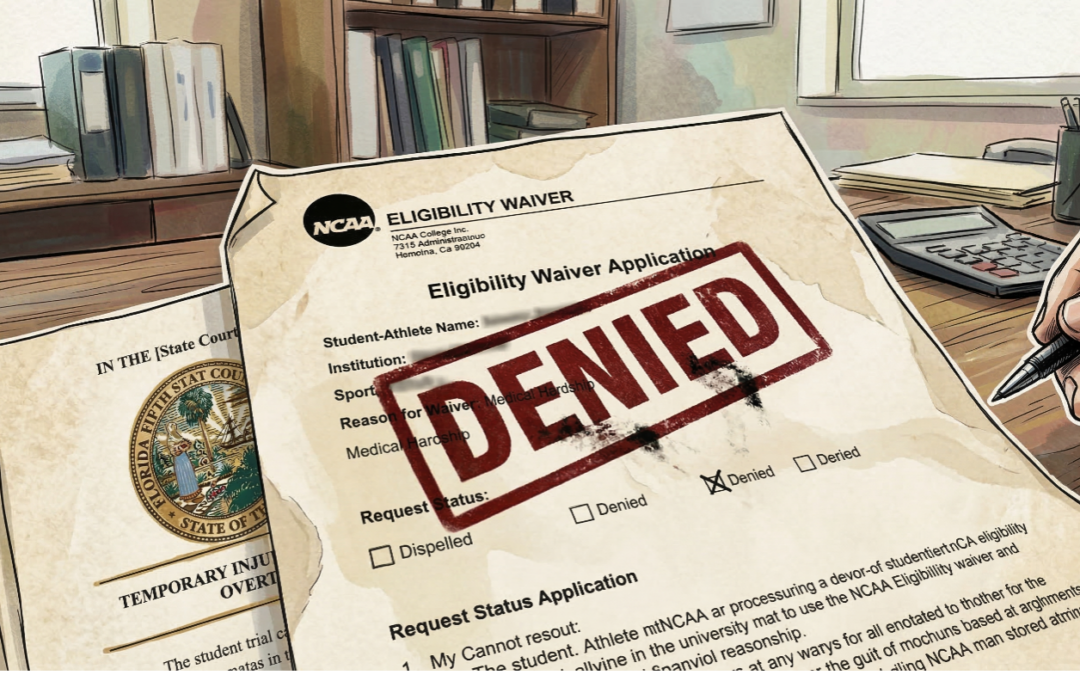
Prospective Plaintiff Denied Pursuant to Florida Pre-Suit Requirements Under Chapter 766 in Recent District Court of Appeals Decision

Prospective Plaintiff Denied Pursuant to Florida Pre-Suit Requirements Under Chapter 766 in Recent District Court of Appeals Decision

One detail missed, several lives affected. Despite the harm that can result from medical misconduct, it is not as easy for prospective plaintiffs to file a medical negligence claim. First, a claimant must complete an adequate pre-suit investigation prior to filing the complaint in Court. The statutory safeguard confirms the prospective plaintiff’s claim is supported by reasonable grounds. The required investigation includes: (1) a notice of intent to initiate litigation; and (2) a corroborating affidavit written by a medical expert in a similar field as the defendant health care provider.

 In a recent case, the Fourth District Court of Appeals opined that a proper corroborating affidavit is a “low bar.”[i]As such, the penalties for failing to conduct an adequate pre-suit investigation have severe consequences commanded by the statute. The court shall dismiss the claim if the notice of intent to initiate litigation is inadequate.[ii]  Additionally, the person who mailed such notice, either the claimant or the claimant’s attorney, would be personally liable for all attorneys’ fees and costs incurred during the investigation and evaluation of the claim.  A motion to dismiss would raise the issue of whether the corroborating affidavit is sufficient for a legitimate claim of medical negligence.[iii]

In Potapric v. Barnes, the Court dismissed a medical negligence claim for failing to comply with the statutory pre-suit requirements.[iv] Following alleged post-surgical complications, Barnes sued Dr. Potparic for medical negligence. Barnes’ expert affidavit stated Potparic violated the medical standard of care by performing the surgery while not properly registered with the Florida Department of Health. The affidavit mentioned a breach also where the nurse administered anesthesia while the supervising doctor was not properly registered. Discovery later revealed that Potparic was properly registered at the time of the surgery, and Barnes sought leave to file a second amended complaint. Barnes now alleged she was harmed because the nurse who administered the anesthesia was not properly registered with the Department of Health. However, Barnes did not submit a new affidavit with the second amended complaint. The affidavit did not mention the nurse’s own registration or describe any deficient act or how such act caused Barnes to have any injury.

The court looked at whether the notice of intent to initiate litigation and the corroborating expert opinion, taken together sufficiently indicated that Dr. Potparic allegedly deviated from the standard of care, and if Barnes provided adequate information for the defendants to evaluate the merits of the claim.[v] The Court agreed with Potparic that the affidavit does not corroborate reasonable grounds to support the claim of medical negligence set out in the second amended complaint. The only theory of negligence described in the claimant’s expert’s affidavit proved unfounded and was abandoned. The affidavit lent no support to the claim alleged in Barnes’s second amended complaint. Because Barnes failed to comply with the procedural requirements, the Court quashed the order denying dismissal with directions to grant the dismissal as commanded by statute. Along with dismissal, either Barnes or her attorney will be personally liable for the attorney’s fees and costs associated with investigating this claim.[vi]

While the District Court opinion did not reach the issue of consequences for failing to conduct a reasonable investigation, the statute commands liability for attorney’s fees and costs and disciplinary review with the Florida Bar.[vii]

[i] Potparic v. Barnes, No. 4D2025-1701, 2025 Fla. App. LEXIS 7301, at *6 (Fla. Dist. Ct. App. Sep. 24, 2025).

[ii] Fla. Stat. § 766.206(2) (2025).

[iii] Id.

[iv] Potparic v. Barnes, No. 4D2025-1701, 2025 Fla. App. LEXIS 7301, at *6 (Fla. Dist. Ct. App. Sep. 24, 2025).

[v] Id. at *5.

[vi] See Fla. Stat. §766.206(2)(2025).

[vii] Fla. Stat. § 766.206 (4).