From Farm to Wedding Venue: The Second DCA Questions the Limits of Florida’s Right to Farm Act
When does a barn stop being part of a farm and become something else entirely? That is the central question in Florida’s Second District Court of Appeal’s decision in Sheik Island Farm, Inc. v. Covington Farm, Inc. The court framed the issue succinctly at the outset of its opinion: “Is renting out a barn for weddings the same thing as operating a farm?”[i] The decision boiled down to the meaning of one common word – “farm” – and that determination is a factual one to be decided by a jury.
Florida’s Right to Farm Act, section 823.14, Florida Statutes, was enacted to protect legitimate agricultural operations from nuisance claims as urban development expands into rural areas. [ii] The statute generally prevents farms that comply with accepted agricultural practices from being held liable for nuisance, provided the operation has existed for more than one year and follows environmental regulations and best management practices.[iii]
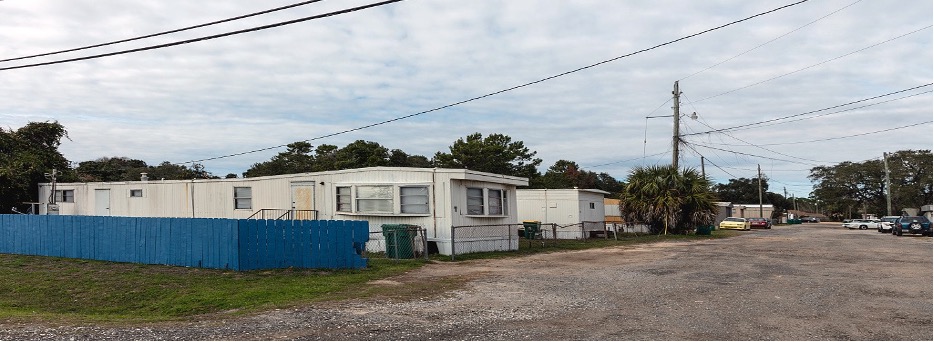
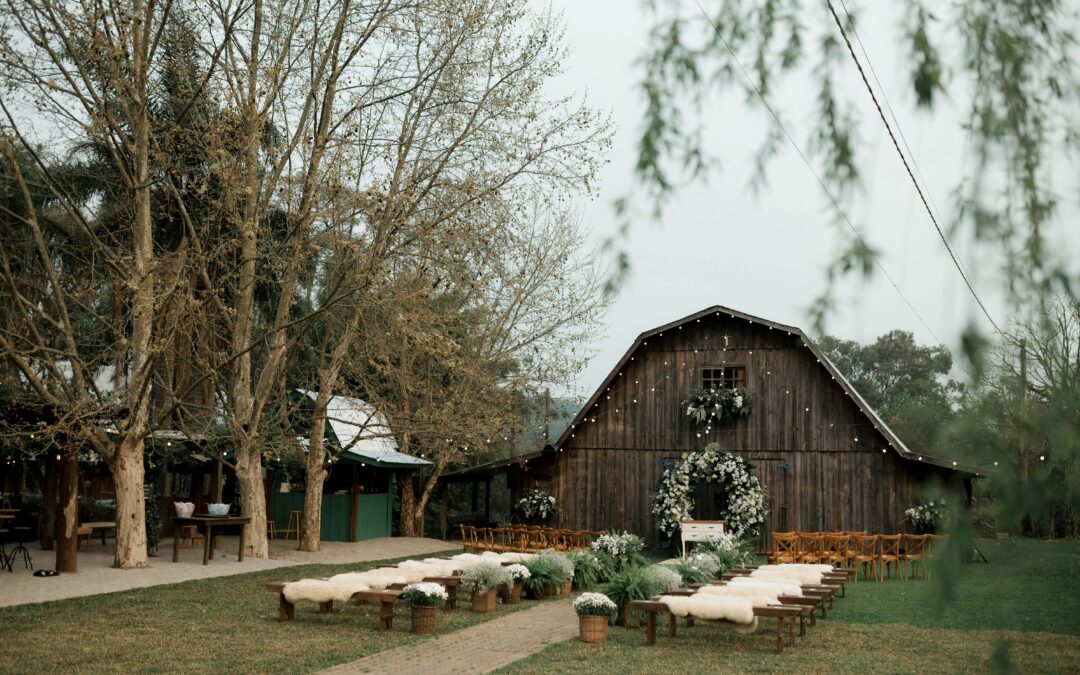
The dispute in Sheik Island Farm arose between neighboring properties in Pasco County. Sheik Island Farm operated a horse-boarding business along Covington Road in Dade City. In 2016, a nearby property was purchased by James and Barbara Stalnaker, who later developed what became known as Covington Farm. Although the property was classified as agricultural for tax purposes, the Stalnakars constructed a large barn and began using the property primarily as a wedding and event venue.
Sheik Island Farm alleged that the venue created significant disturbances for its horse-boarding operation. Increased traffic, speeding vehicles, dust from the dirt road, and garbage from events interfered with the farm’s use of its property and affected the horses. The farm filed suit asserting claims for private nuisance, public nuisance, and violation of the Pasco County Land Development Code.
The trial court granted summary judgment in favor of Covington Farm. The court reasoned that because the property had been classified as agricultural under Florida’s “greenbelt” tax statute, the Florida Right to Farm Act barred the nuisance claims and exempted the property from certain local regulations.[iv]
The Second District Court of Appeal disagreed. The court explained that the Right to Farm Act protects only properties that actually qualify as “farms” under the statute.[v] The Act defines a farm as land and facilities used in the production of farm products, which includes plants, animals, or insects useful to humans.[vi] Because the statute focuses on agricultural production, the key issue was whether Covington Farm’s property was actually being used as a farm.
Applying the plain language of the statute, the court emphasized that the key inquiry was how the property was actually being used. The record contained sufficient evidence suggesting the property functioned primarily as a commercial wedding venue rather than a farming operation. Marketing materials, tax filings, and testimony indicated that the property generated revenue through event rentals rather than agricultural production. Because a reasonable jury could conclude that the property was not operating as a farm, the court held that summary judgment was improper.
The court also rejected the trial court’s reliance on the property’s agricultural tax classification. While that designation may serve as evidence of agricultural use, it exists primarily for ad valorem tax purposes and does not automatically determine whether property qualifies as a farm under the Right to Farm Act. The statutes governing agricultural tax classification and nuisance protections serve different purposes, and one does not control the other.
The Second District ultimately reversed the summary judgment and remanded the case for further proceedings. The decision underscores that statutory protections for agriculture depend not simply on how property is labeled, but on how it is actually used.
As agritourism and rural event venues continue to expand across Florida, disputes like this one are likely to become more common. Sheik Island Farm, Inc. v. Covington Farm, Inc. signals that courts will look beyond marketing labels and tax classifications when determining whether a property qualifies for the protections of the Right to Farm Act. In other words, simply hosting events in a barn on agricultural land does not automatically transform a wedding venue into a farm.
[i] Sheik Island Farm, Inc. v. Covington Farm, Inc., No. 2D2025-0151, 2026 WL 517611, at *1 (Fla. 2d DCA Feb. 25, 2026).
[ii] Fla. Stat. § 823.14 (2022).
[iii] Fla. Stat. § 823.14(4) (2022).
[iv] Fla. Stat. § 193.461(1) (2025).
[v] Sheik Island Farm, Inc., No. 2D2025-0151, 2026 WL 517611, at *4.
[vi] Fla. Stat. § 823.14(3)(c) (2022); see Fla. Stat. § 570.86(1) (2025) (defining “agritourism activity”).